1. Introduction to PP-OCRv5 Multilingual Text Recognition
PP-OCRv5 is the latest generation text recognition solution in the PP-OCR series, focusing on multi-scenario and multilingual text recognition tasks. In terms of supported text types, the default configuration of the recognition model can accurately identify five major types: Simplified Chinese, Pinyin, Traditional Chinese, English, and Japanese. Additionally, PP-OCRv5 offers multilingual text recognition capabilities covering 39 languages, including Korean, Spanish, French, Portuguese, German, Italian, Russian, Thai, Greek and more (for a full list of supported languages and abbreviations, see Section 4). Compared to the previous PP-OCRv3 version, PP-OCRv5 achieves over a 30% improvement in accuracy for multilingual text recognition.
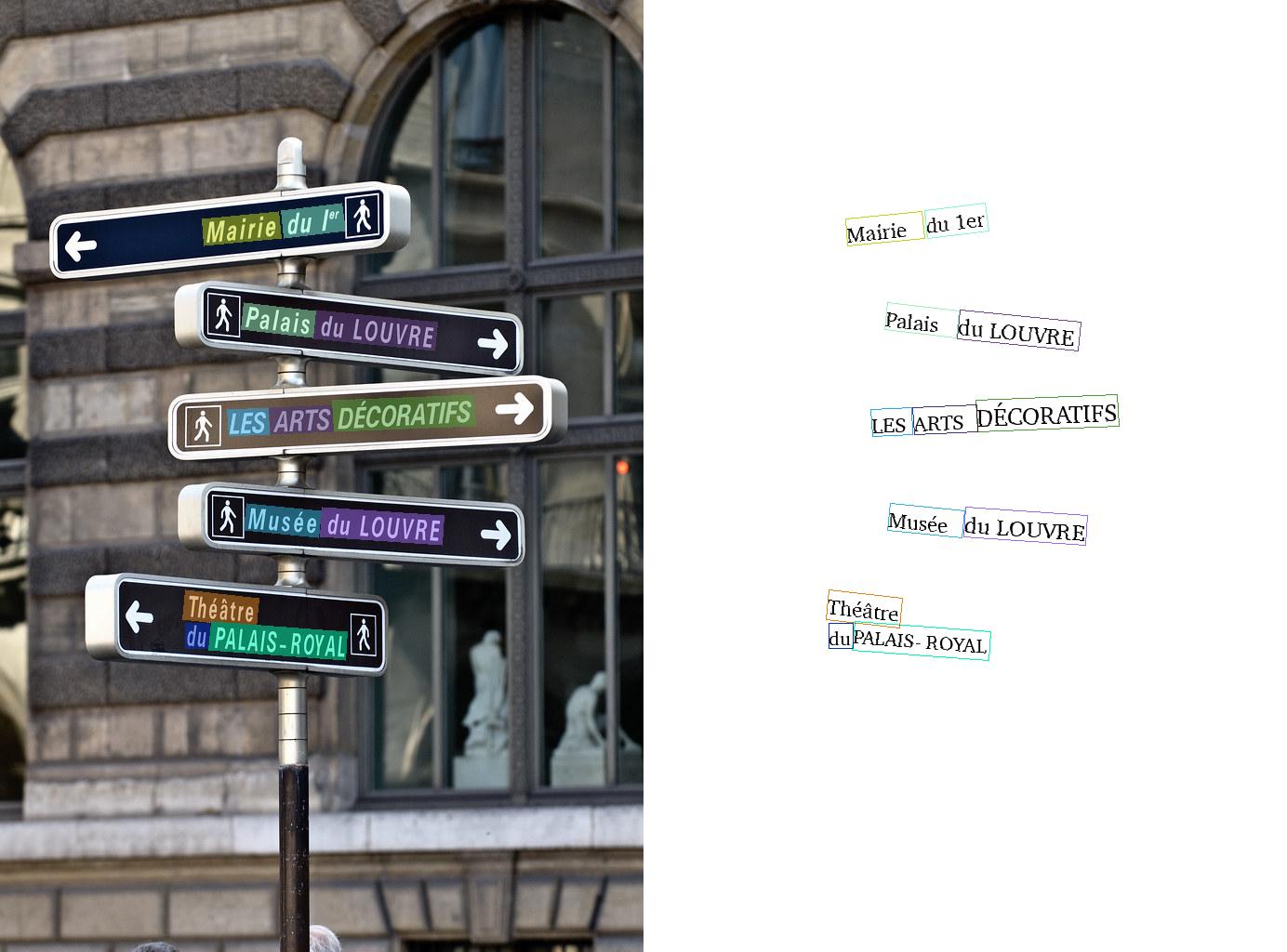
French Recognition Result
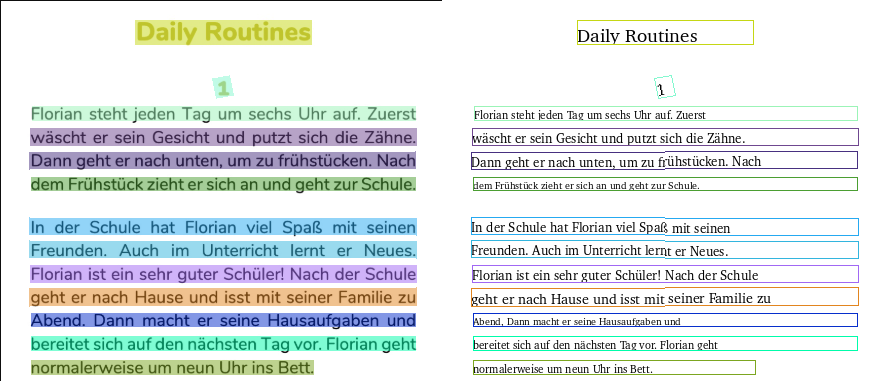
German Recognition Result
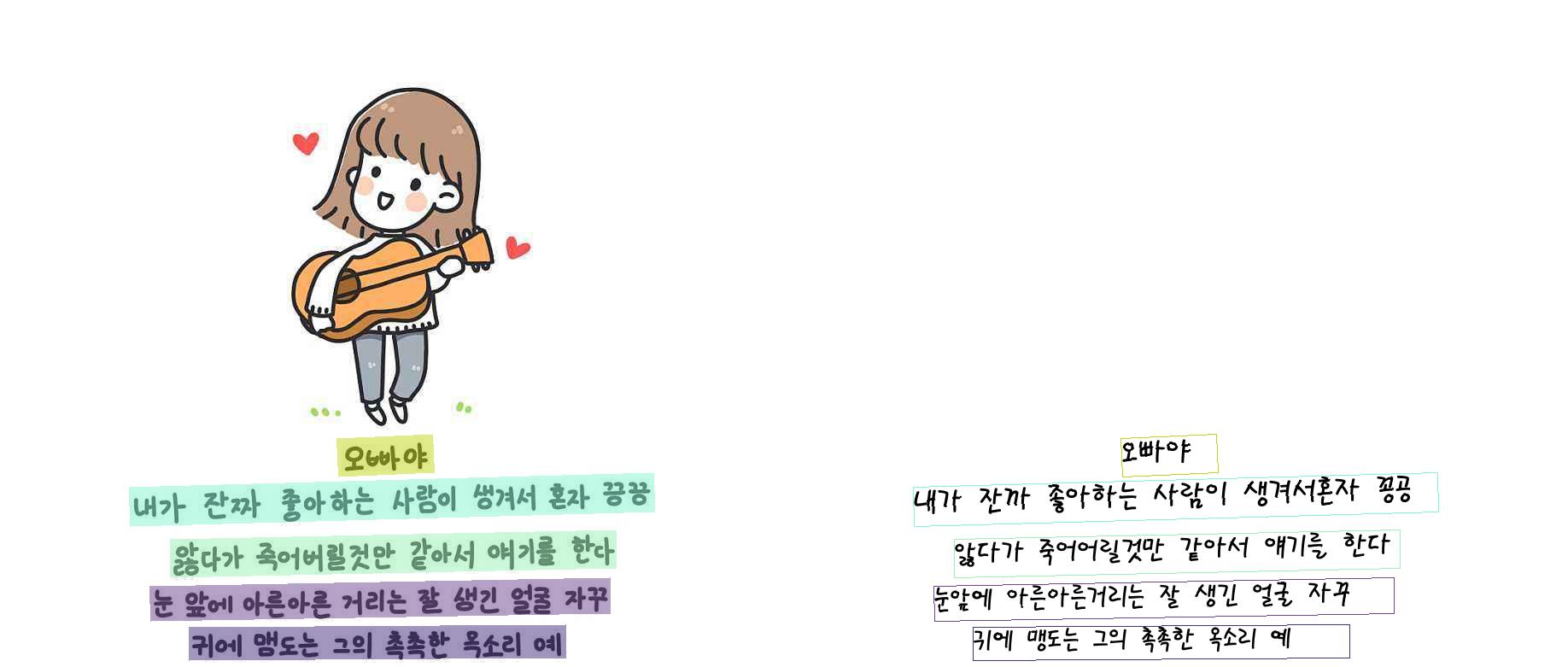
Korean Recognition Result
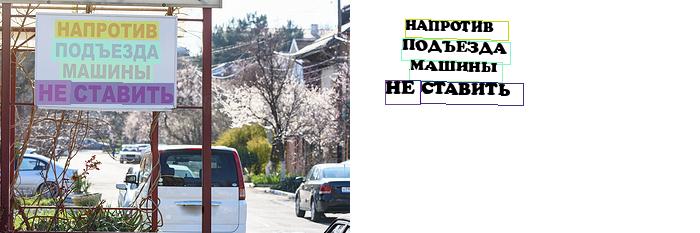
Russian Recognition Result
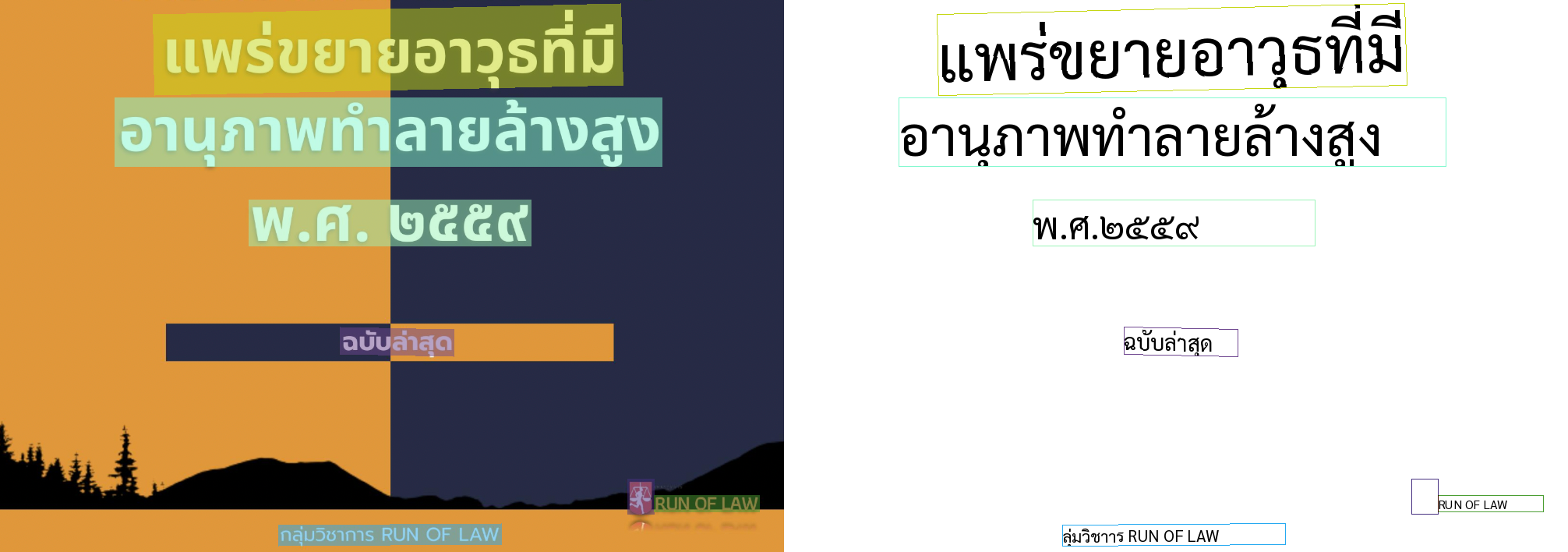
Thai recognition result
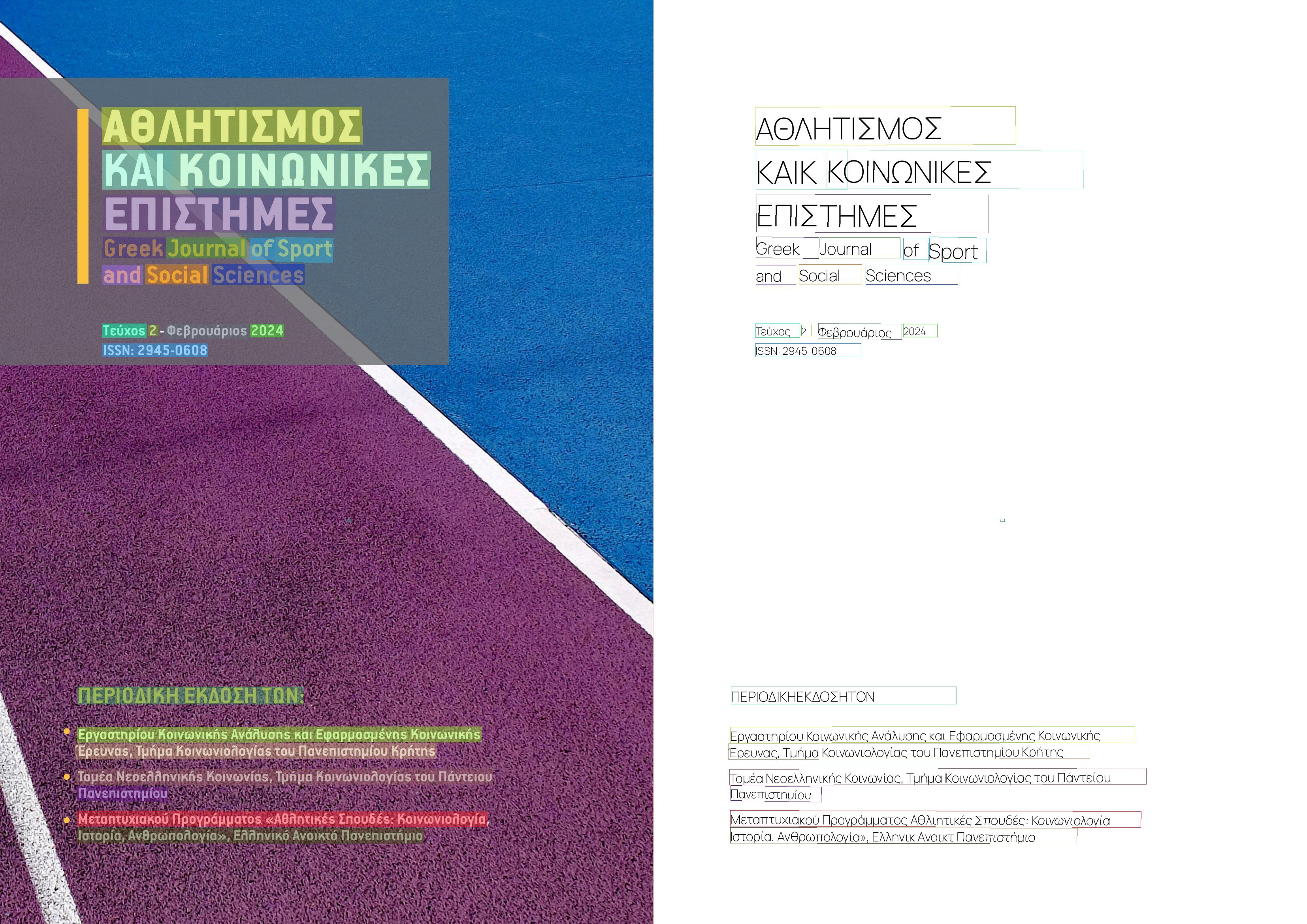
Greek recognition result
# Use the `--lang` parameter to specify the French recognition model
paddleocr ocr -i https://paddle-model-ecology.bj.bcebos.com/paddlex/imgs/demo_image/general_ocr_french01.png \
    --lang fr \
    --use_doc_orientation_classify False \
    --use_doc_unwarping False \
    --use_textline_orientation False \
    --save_path ./output \
    --device gpu:0
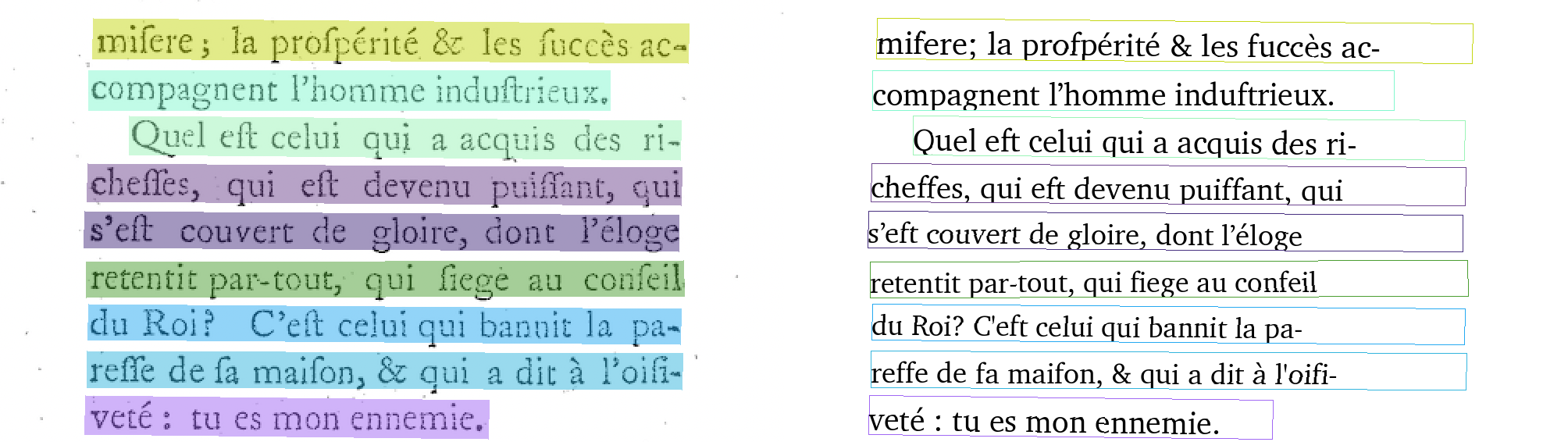
{'res': {'input_path': '/root/.paddlex/predict_input/general_ocr_french01.png', 'page_index': None, 'model_settings': {'use_doc_preprocessor': True, 'use_textline_orientation': False}, 'doc_preprocessor_res': {'input_path': None, 'page_index': None, 'model_settings': {'use_doc_orientation_classify': False, 'use_doc_unwarping': False}, 'angle': -1}, 'dt_polys': array([[[119,  23],
        ...,
        [118,  75]],

       ...,

       [[109, 506],
        ...,
        [108, 556]]], dtype=int16), 'text_det_params': {'limit_side_len': 64, 'limit_type': 'min', 'thresh': 0.3, 'max_side_limit': 4000, 'box_thresh': 0.6, 'unclip_ratio': 1.5}, 'text_type': 'general', 'textline_orientation_angles': array([-1, ..., -1]), 'text_rec_score_thresh': 0.0, 'rec_texts': ['mifere; la profpérité & les fuccès ac-', 'compagnent l’homme induftrieux.', 'Quel eft celui qui a acquis des ri-', 'cheffes, qui eft devenu puiffant, qui', 's’eft couvert de gloire, dont l’éloge', 'retentit par-tout, qui fiege au confeil', "du Roi? C'eft celui qui bannit la pa-", "reffe de fa maifon, & qui a dit à l'oifi-", 'veté : tu es mon ennemie.'], 'rec_scores': array([0.98409832, ..., 0.98091048]), 'rec_polys': array([[[119,  23],
        ...,
        [118,  75]],

       ...,

       [[109, 506],
        ...,
        [108, 556]]], dtype=int16), 'rec_boxes': array([[118, ...,  81],
       ...,
       [108, ..., 562]], dtype=int16)}}
 You can also use Python code to specify the recognition model for a particular language when initializing the general OCR pipeline via the `lang` parameter:
from paddleocr import PaddleOCR

ocr = PaddleOCR(
    lang="fr", # Specify French recognition model with the lang parameter
    use_doc_orientation_classify=False, # Disable document orientation classification model
    use_doc_unwarping=False, # Disable text image unwarping model
    use_textline_orientation=False, # Disable text line orientation classification model
)
result = ocr.predict("https://paddle-model-ecology.bj.bcebos.com/paddlex/imgs/demo_image/general_ocr_french01.png")
for res in result:
    res.print()
    res.save_to_img("output")
    res.save_to_json("output")